June 2026
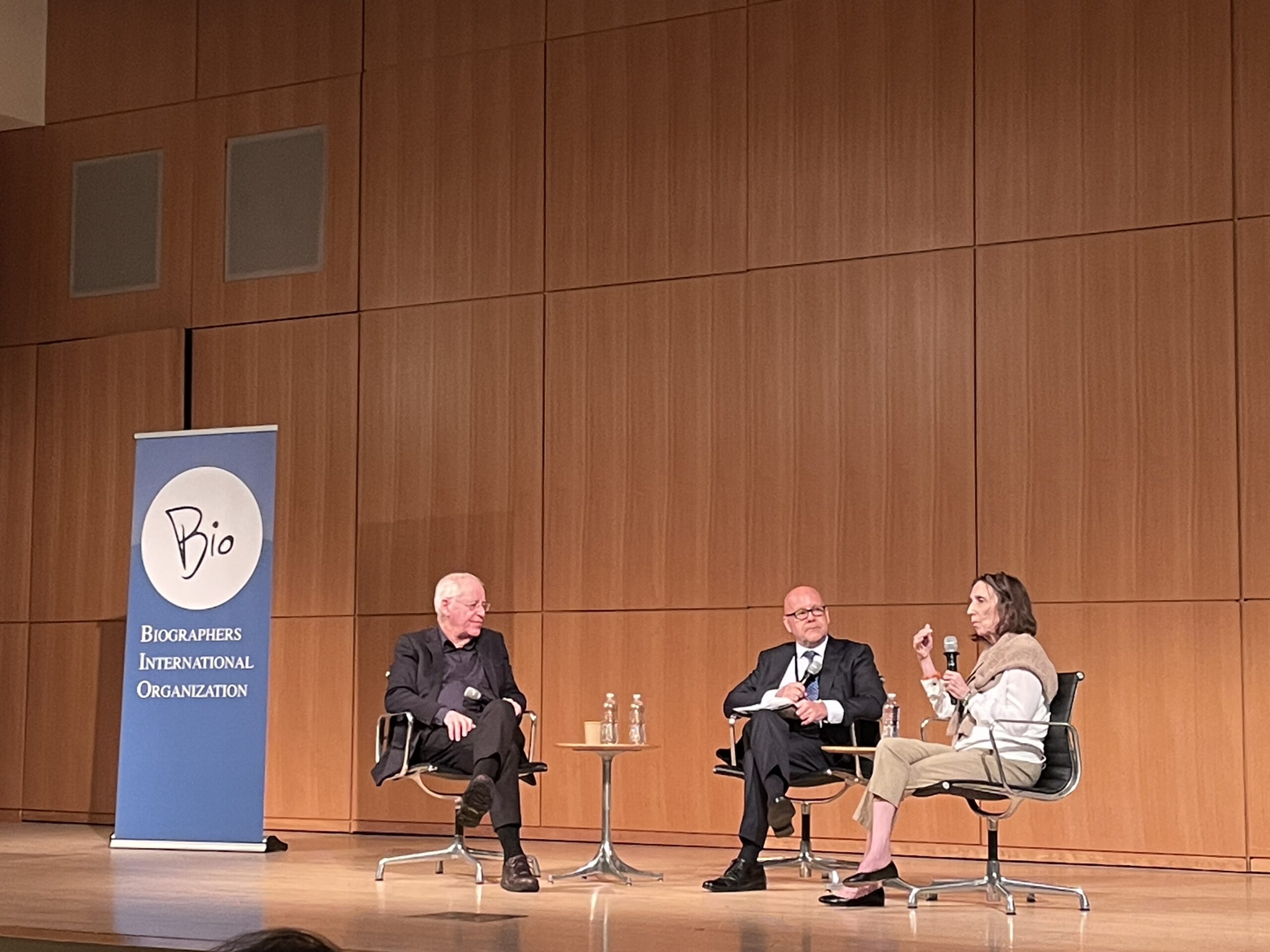
Last week I was in New York City for the annual conference of Biographers’ International Organization. BIO has 650-plus members, all engaged with biography in one way or another – writers, film makers, editors and agents. I want to share a few conference highlights so maybe, as I did, you will find inspiration.
One of the best aspects of BIO is the friendships it engenders. We come from all over the U.S. and from some foreign countries. At the conference, we get to see each other in person, not just in a zoom meeting. We attend panel discussions, ask questions, trade tips and enjoy the cocktail receptions. Some of us also make time to visit museums including, in my case, to see the Raphael exhibit at the Met.
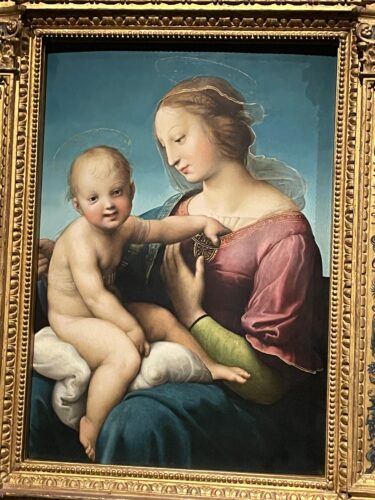
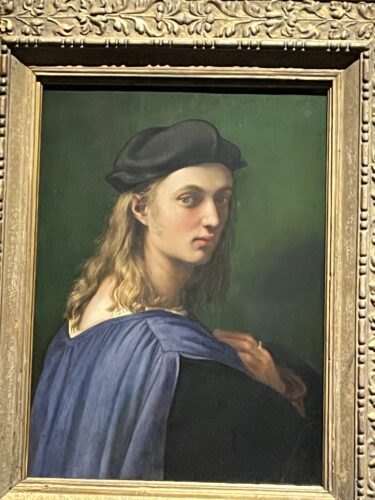
Because every biographical subject is best understood in historical context, members are also interested in history. Some are academics who bring highly respected credentials to their research. But most of us are amateurs who enjoy learning the history we need in order to do justice to our subjects.
The conference began with a moderated conversation between the writers Ron Chernow and Brenda Wineapple. As you can imagine, Ron dug into history, deeply and broadly, to write about his subjects – George Washington, Ulysses Grant, Mark Twain and, of course, Alexander Hamilton. Also, the financial dynasties of J.P. Morgan, John D. Rockefeller, Sr. and the Warburg family. Brenda, too, brings a wide aperture to the history that surrounds her subjects, a diverse group that includes Nathaniel Hawthorne, Emily Dickinson, Walt Whitman, the Scopes trial, the impeachment of Andrew Johnson and the convulsive period this country endured from 1848 to 1877. They had a fascinating conversation about how to structure historical information in a way that readers will find interesting. Ron prefers a chronological structure, over which he drapes (his word) themes relevant to his subject. Brenda agreed that chronology is important, but she likes to enhance her work with non-chronological diversions. She mentioned Rebecca Solnit’s essay in LitHub, “In Praise of the Meander.” Now that I have read the essay, I’m grateful for its insights that validate my approach to the book chapter I’m working on just now. While the chapter is about a present-day farrier, I find I can’t resist including some bits about the history of horseshoeing, from ancient times to today.
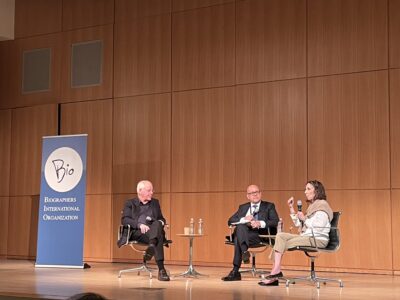
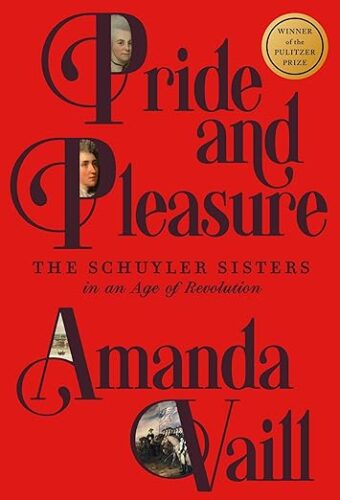
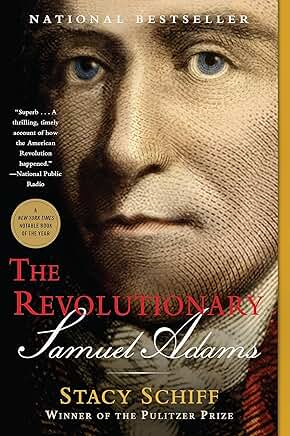
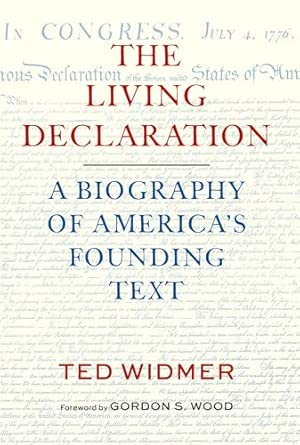
Because we’re coming up on the 250th anniversary of the Declaration of Independence, I was really interested in a panel discussion with three writers deeply immersed in the history of that period – Amanda Vail, author of Pride and Pleasure: The Schuyler Sisters in an Age of Revolution, which won this year’s Pulitzer Prize, Stacy Schiff (also a Pulitzer winner) who has written about Samuel Adams, Benjamin Franklin and others, and Ted Widmer whose book The Living Declaration: A Biography of America’s Founding Text will be released June 23. They talked about the year 1776, their archival research, and how we can understand the American Revolution today. With the broad lens that many contemporary historians bring to the story, we now know that the Founding Fathers, important though they were, were not the only relevant players. Women, African Americans (some enslaved, some free) and indigenous people were also involved in the revolution, some on the British side, some for the colonists. Now we realize that the story is much more layered and complex that what most of us learned in school.
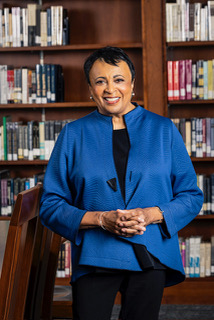
BIO also presents awards to those who have distinguished themselves in the field of biography. This year, we honored Carla Hayden with the Biblio award, given each year to a librarian or archivist. Beginning in 1973, Carla served in a number of institutions, and most recently was head of the Library of Congress, the largest library in the world. She served from 2016 to 2025 and would have continued had not the current administration terminated her for no stated reason. Maybe the fact she is female and African American had something to do with it? Regrettably, I pose this as a rhetorical question.
Carla was not able to attend the conference in person but she sent remarks which I, as chair of the Awards Committee, read from the podium. Her statement concluded with praise for librarians who are the “original search engines.”
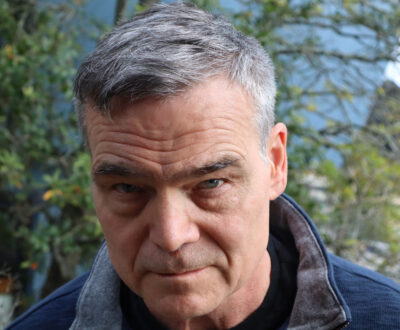
BIO honored the writer T.J. Stiles, another Pulitzer Prize winner, with the BIO award which recognizes a writer who has advanced the art and craft of biography. T.J. has written about an eclectic range of subjects who, taken together, cast a new light on American history – Jesse James, George Custer and Cornelius Vanderbilt. He delivered a keynote address explaining his approach to research and writing, which he continues today as he works on a biography of Theodore Roosevelt.
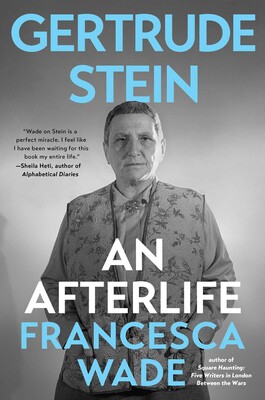
BIO gives its Plutarch award to a book determined to be the best biography of the year. To reach its decision, the Plutarch committee reads hundreds of books. This year they voted to give the award to Francesca Wade for her book Gertrude Stein: An Afterlife. While I haven’t read the book yet, I understand its structure is unconventional in that it includes a look back at Gertrude after her death from the various viewpoints of those who knew her.
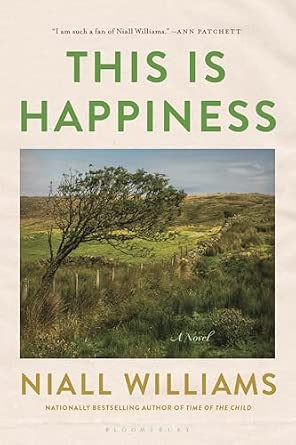
If you’re still considering what to read this summer, I hope something I’ve mentioned appeals to you. If your summer list is full, make a list for fall, winter and spring. Good books have no season.
* * *
If you have a friend who would be interested in my work, please forward this newsletter to your friend. Anyone can subscribe to keep up with the latest news, and to stay in touch. Just visit my website and sign up on the newsletter page. https://kathleencstone.com